The case of Mackenzie Shirilla is back in the national spotlight after Netflix released The Crash, a true crime documentary revisiting the 2022 high speed collision that killed Dominic Russo and DaVon Flanigan. But the documentary did more than reopen old wounds.
:max_bytes(150000):strip_icc():focal(984x532:986x534)/mackenzie-shirilla-the-crash-051226-049cae5508a14b899501ae8e2c3b978a.jpg)
It also triggered a wave of backlash against Mackenzie’s father, Steve Shirilla, who reportedly has now been placed on administrative leave from his teaching position after appearing in the film and publicly insisting his daughter is innocent.
The fallout has exploded online as viewers debate whether the documentary exposed a grieving family… or revealed something far more disturbing.
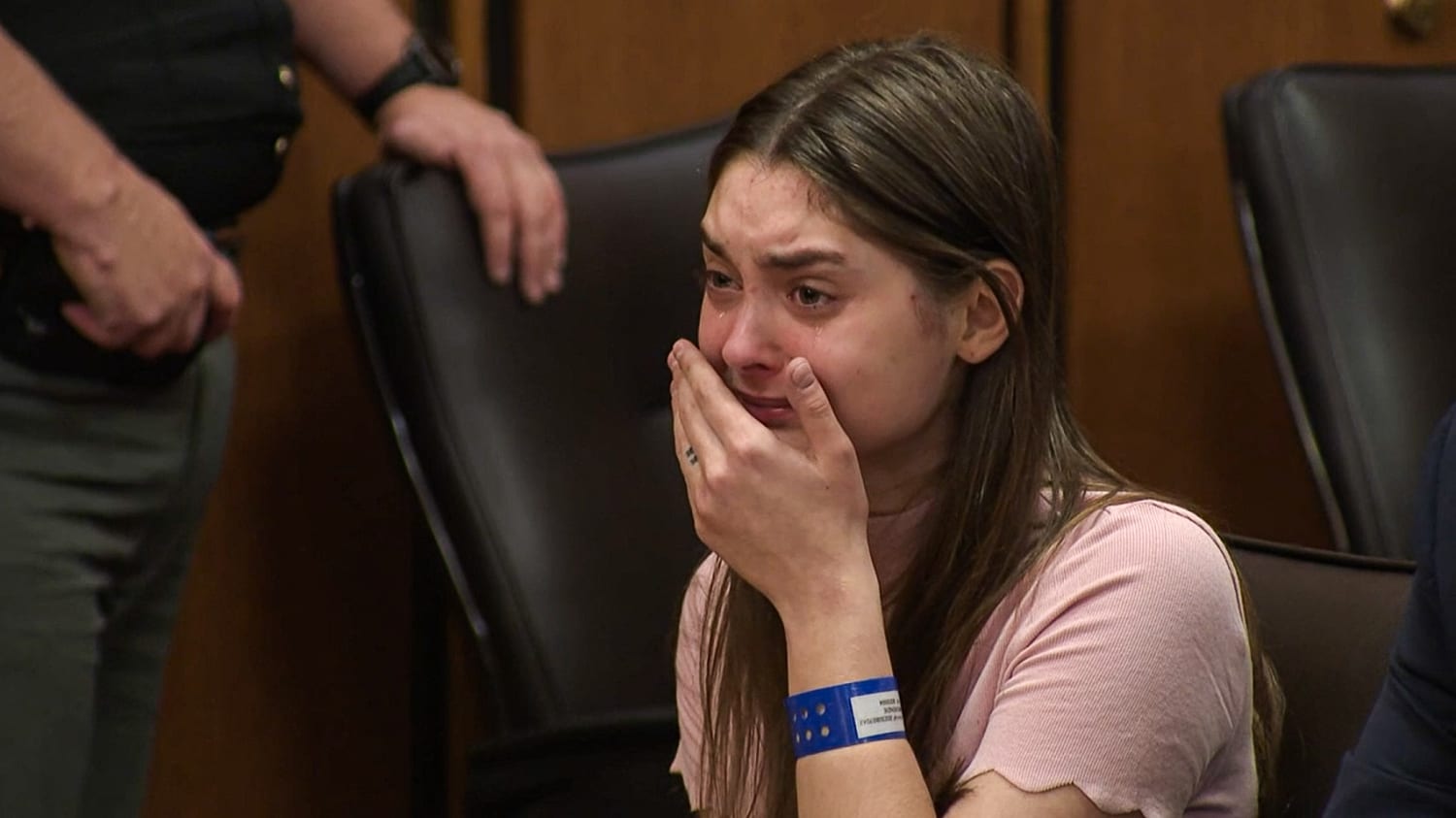
In 2023, Mackenzie Shirilla was convicted in Ohio for deliberately crashing her vehicle into a wall at over 100 mph, killing Dominic Russo and DaVon Flanigan. Prosecutors argued the crash was intentional, describing it as a “hell on wheels” attack carried out after a toxic relationship spiraled out of control.
Shirilla, who was 17 at the time of the crash, has continued to claim she does not remember what happened that night.
Inside the Netflix documentary, Mackenzie speaks publicly for the first time from prison while serving a sentence of 15 years to life.
She describes Dominic as her “soulmate” and insists she never intended for anyone to die.
But critics say the documentary left out some of the most damning evidence shown during trial.
According to prosecutors, vehicle data showed the accelerator was fully pressed moments before impact with no attempt to brake. Authorities also argued that cellphone records suggested Mackenzie had previously been in the same area before the crash, leading prosecutors to believe she may have scoped out the location beforehand.
Police reportedly recovered marijuana products from the vehicle, although prosecutors argued intoxication was not the reason for the crash.
The documentary also revisits disturbing recordings introduced at trial that allegedly captured the volatile nature of Mackenzie and Dominic’s relationship.
One emotional phone call featured threats, screaming, and arguments about breakups and being locked out of the house.
Prosecutors used those recordings to paint the relationship as toxic and emotionally explosive behind the social media photos the couple shared online.
One of the most controversial moments in the documentary involves Mackenzie’s parents, who passionately defend their daughter throughout the film.
Her father is shown criticizing police for arresting her at home instead of simply calling the family first.
Meanwhile, her mother sparked backlash during sentencing when she focused heavily on her daughter’s grief while the judge questioned why so little attention was being paid to the two young men who died.
The sentencing judge ultimately told Mackenzie there was “only one person responsible” for the devastation left behind.
Following the documentary’s release, attention quickly shifted toward Steve Shirilla’s role as a teacher at a Catholic school in Cleveland.
Reports state the school launched an investigation after concerns surfaced online regarding “poor judgment” connected to his appearance in the documentary and public comments defending his daughter.
He was subsequently placed on administrative leave.
Despite the controversy, Steve Shirilla reportedly continues to maintain that Mackenzie is innocent and says the documentary was unfairly edited.
The case has also reignited debate over Mackenzie’s failed appeal.
While many viewers believed the appeal was denied based entirely on evidence, court records reportedly show the filing itself missed the legal deadline by just one day.
Her attorneys argued the timing issue involved complications connected to the leap year calendar, but the courts ultimately rejected the appeal.
Now, the documentary has split true crime audiences across the country.
Some viewers believe Mackenzie Shirilla was a deeply troubled teenager involved in a reckless emotional spiral that ended in unimaginable tragedy.
Others believe the evidence clearly proved intent and say the documentary only reinforced concerns about a lack of accountability and remorse.
With Netflix pushing the case back into public conversation, the debate surrounding Mackenzie Shirilla may be far from over.