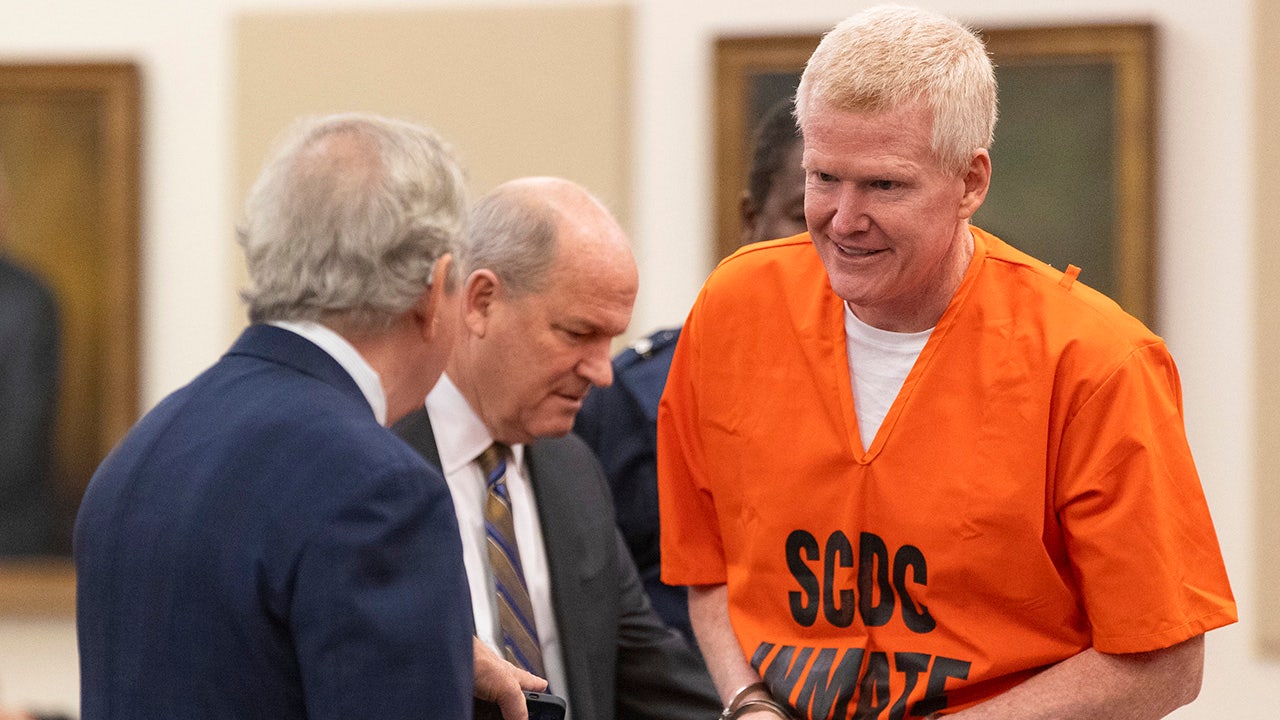
The courtroom drama surrounding Alex Murdaugh is heating up as his retrial approaches, with both the defense and prosecution gearing up for a fierce legal battle. Defense attorney Dick Harpootlian is hinting at new evidence that could shift the narrative, while lead prosecutor Creighton Waters is preparing to challenge the notion of finding an unbiased jury in South Carolina.
In recent interviews with Fox News Digital, Harpootlian and Waters laid out their contrasting strategies for the upcoming trial. Their discussions come on the heels of a significant ruling from the South Carolina Supreme Court, which overturned Murdaugh’s previous convictions for the murders of his wife, Maggie, and son, Paul. The court found that jurors had been improperly influenced during the original trial, setting the stage for a new legal showdown.
Harpootlian has indicated that the defense will pursue a venue change and advocate for a more thorough jury selection process. He emphasized the importance of scrutinizing potential jurors’ social media activity to ensure a fair trial. “We can now access people’s social media, their Instagrams, all of that,” he stated, underscoring the defense’s commitment to a fair jury pool.
The defense is also concerned that jurors from the first trial were biased against Murdaugh due to the influence of the court clerk. “They’d already been pre-conditioned,” Harpootlian noted, pointing to the clerk’s alleged encouragement for jurors to distrust Murdaugh.
On the other side, Waters acknowledged the challenge of finding jurors who are not familiar with the high-profile case. “The genie is out of the bottle,” he remarked, suggesting that the extensive media coverage surrounding Murdaugh’s trials has made it nearly impossible to find jurors who haven’t heard about the case. He maintained that jurors must be able to set aside prior knowledge and focus solely on the evidence presented in court.
As for whether Murdaugh will testify again, Harpootlian stated that decision will depend on how the case unfolds. He highlighted that Murdaugh, being a lawyer himself, understands the complexities of testifying and will be involved in the decision-making process.
The defense’s strategy may take a different direction this time, with Harpootlian indicating they will have the power to subpoena records that could either support or challenge the prosecution’s claims. He criticized the prosecution for allegedly spending too much time on Murdaugh’s financial issues, arguing that this focus detracted from the murder evidence itself.
Waters defended the prosecution’s approach, stating that the financial evidence was relevant to establishing motive. He noted that both the judge and the Supreme Court had accepted the rationale behind including this evidence in the original trial.
Harpootlian also raised concerns about the investigation into the murders, claiming that investigators were too quick to conclude Murdaugh’s guilt. He accused them of neglecting crucial forensic evidence and failing to conduct a thorough examination of the crime scene.
The defense plans to introduce new forensic evidence, including cellphone data and vehicle information, to challenge the prosecution’s timeline of events. Harpootlian pointed out inconsistencies in the prosecution’s narrative, particularly regarding the timeline of Murdaugh’s whereabouts during the critical moments of the crime.
As both sides prepare for what promises to be a riveting retrial, the question remains: how will the new evidence and strategies shape the outcome of this high-profile case?